
4 Roof Inspection Findings That Always Lead to a Bigger Repair If Left Unaddressed in North Texas
| Inspection Result | Targeted Repair May Make Sense When | Larger Scope May Be Needed When |
|---|---|---|
| Hail damage | Limited, repairable damage is isolated | Impact damage is widespread across multiple slopes |
| Lifted shingles | Small number of compatible shingles can be repaired | Wind failure is widespread or shingles are brittle |
| Flashing failure | Detail can be rebuilt without disturbing large roof areas | Water has damaged surrounding decking or multiple transitions |
| Moisture intrusion | Entry point is isolated and decking remains sound | Decking, insulation, or multiple roof areas are affected |
A roof inspection does not only answer whether a roof is leaking today. The more useful question is whether an inspector can see a defect that gives the next North Texas storm, heat cycle, or heavy rain an easier way to create damage tomorrow. That distinction matters in Royse City because small weaknesses do not get much recovery time between hail, high wind, intense sun, and seasonal thunderstorms.
At Swift Roofing & Designs, we use a
roof inspection in Royse City, TX to separate cosmetic wear from conditions that are already affecting how the roofing system sheds water or resists weather. The four findings below are important because they do not repair themselves. A lifted shingle does not reliably reseal after its bond has failed. Separated flashing does not close itself. Hail-damaged shingles continue weathering. Moisture beneath the surface does not become less important because the ceiling still looks dry.
Why Small Roof Findings Become Bigger Repairs in North Texas
North Texas exposes roofing systems to several damage mechanisms at once. Hail can displace granules or tear shingles, wind can exploit loose or unsealed edges, and repeated heat can accelerate the weathering of already weakened asphalt shingles. The Insurance Institute for Business & Home Safety explains that wind can exploit vulnerabilities in roof coverings and start a cascade of damage, while its hail research identifies deformation, tears, and granule loss as key asphalt-shingle damage modes.
That is why an inspection finding should be judged by its
progression path, not only by how dramatic it looks on inspection day. Swift’s guide to
the five roof repairs Royse City homeowners face most often follows the same logic: hail damage, failed flashing, wind damage, and aging materials become more expensive when the original failure point stays exposed to additional weather.
The Four Findings and What They Can Become
| Inspection Finding | What Is Wrong Now | What Can Develop If It Stays Unaddressed |
|---|---|---|
| Hail bruising and granule loss | Shingle surface has lost protection or suffered impact damage | Accelerated weathering, cracking, water entry |
| Lifted or unsealed shingles | Wind seal is compromised | Torn or missing shingles, exposed underlayment |
| Failed flashing or seals | Water-shedding detail has opened | Hidden leaks, wet decking, interior damage |
| Moisture or soft decking | Water has already entered the roof assembly | Rot, larger decking replacement, insulation or interior damage |
None of these findings automatically means the entire roof needs replacement. They mean the roof has a condition worth addressing before the repair scope expands.
Finding 1: Hail Bruising and Granule Loss
Hail damage is easy to underestimate because a shingle can remain physically attached after impact. An inspector may find bruising, concentrated granule displacement, cracks, tears, or impact patterns that are difficult to identify from the driveway. IBHS hail research identifies dents, granule loss, and tears or cracks as recognized damage modes in asphalt shingles.
An inspector may document:
- Circular or irregular impact marks
- Concentrated granule displacement
- Bruised or softened shingle areas
- Exposed asphalt or fiberglass
- Cracks or tears at impact points
- Matching hail evidence on vents, flashing, gutters, or other metal surfaces
Our
North Texas hail damage guide explains why documentation matters after a storm, especially when the damage is not visible from ground level.
Finding 2: Lifted, Unsealed, or Missing Shingles
A lifted shingle is not only a cosmetic defect. Asphalt shingles rely on proper fastening and sealing to resist wind uplift. IBHS explains that once one shingle tab fails, surrounding shingles can be exposed to forces they were not designed to withstand, creating a cascade of additional damage during later wind events.
Warning signs include:
- Tabs sitting higher than surrounding shingles
- Creased shingles
- Missing tabs or full shingles
- Broken seal strips
- Underlayment visible where roofing material is missing
Swift’s article on
signs of heat damage on Royse City roofs explains why summer weather can compound shingle problems that began earlier in hail or wind season.
Finding 3: Separated Flashing and Failed Penetration Seals
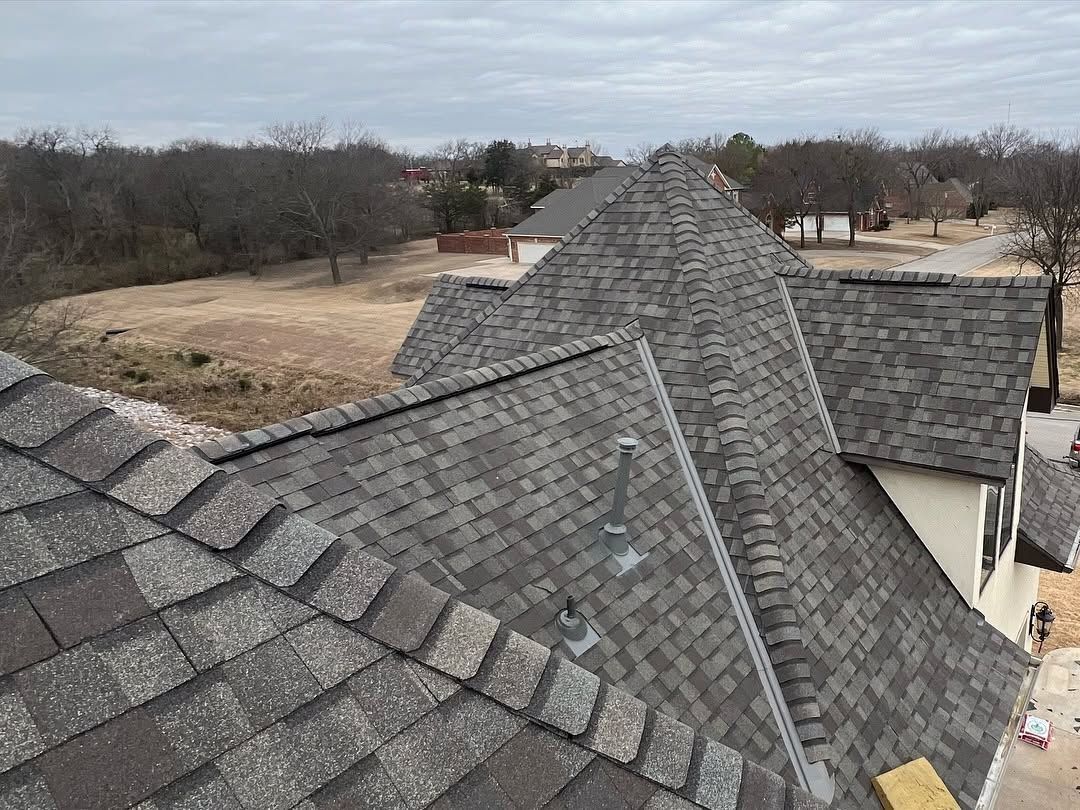
Flashing protects the areas where a roof changes direction or meets another surface. Chimneys, roof-to-wall transitions, valleys, skylights, plumbing vents, and other penetrations all depend on properly installed and sealed details to direct water away from openings.
The roofing manufacturer GAF identifies deteriorated flashing as a common cause of roof leaks, particularly around chimneys, skylights, vents, and other penetrations. Once flashing separates or a seal fails, rain does not need a missing shingle to reach the roof assembly.
A roof inspection may uncover:
- Flashing pulling away from a chimney or wall
- Cracked or missing sealant
- Loose counter-flashing
- Damaged pipe boots
- Open joints around roof penetrations
- Water staining below a flashing detail
Finding 4: Moisture Intrusion or Soft Roof Decking
This finding is different from the first three because the roof assembly may already be taking on water. An inspector may notice stained decking in the attic, soft areas underfoot, wet insulation, discoloration, or moisture patterns that indicate a problem beneath the exterior surface.
Owens Corning’s roof inspection guidance lists wet insulation, damaged shingles, deteriorated flashing, vents, and other roof components among the conditions an inspection should evaluate. Once water reaches wood decking repeatedly, the repair can move beyond replacing a few shingles because deteriorated decking may need to be removed before the roof covering can be restored correctly.
Moisture-related findings can include:
- Dark or stained decking
- Soft spots
- Damp insulation
- Water tracks along rafters
- Interior ceiling or wall staining
- Moisture patterns detected beyond the apparent leak location
How We Decide Whether the Finding Needs Repair or Replacement
Four serious inspection findings do not automatically equal four reasons to replace a roof. The decision depends on how widespread the damage is, the remaining condition of the roof, how many slopes or components are affected, and whether isolated repair can restore reliable performance.
At Swift Roofing & Designs, we would rather identify a repairable problem while the repair window is still open than recommend replacement simply because a defect exists. A
residential roof inspection in McKinney, TX, Royse City, Rockwall, or Sachse should give the homeowner enough information to understand that distinction.
Repair vs. Larger Roofing Scope
| Inspection Result | Targeted Repair May Make Sense When | Larger Scope May Be Needed When |
|---|---|---|
| Hail damage | Limited, repairable damage is isolated | Impact damage is widespread across multiple slopes |
| Lifted shingles | Small number of compatible shingles can be repaired | Wind failure is widespread or shingles are brittle |
| Flashing failure | Detail can be rebuilt without disturbing large roof areas | Water has damaged surrounding decking or multiple transitions |
| Moisture intrusion | Entry point is isolated and decking remains sound | Decking, insulation, or multiple roof areas are affected |
What Homeowners Should Do After an Inspection Finds One of These Problems
After the inspection:
- Review the photos and documented findings.
- Ask whether the issue is active damage or preventive maintenance.
- Confirm whether moisture has reached decking or the attic.
- Separate immediate repairs from work that can reasonably be monitored.
- Ask how the proposed repair restores the water-shedding system.
- Keep storm documentation if hail or wind caused the damage.
- Schedule repair before another severe-weather cycle expands the problem.
For homeowners who want a broader inspection checklist, Swift’s
summer roof inspection checklist for Royse City covers the areas worth checking after spring storms and before peak North Texas heat.
What Does It Cost to Repair Roof Inspection Findings in Royse City?
There is no responsible single price for repairs discovered during a
roof inspection in North Texas. A resealing or flashing repair has a different scope from replacing damaged decking, repairing several wind-damaged slopes, or addressing widespread hail impacts.
What Changes the Roof Repair Cost?
| Cost Factor | Why It Changes the Scope |
|---|---|
| Number of damaged shingles | Larger affected areas require more material and labor |
| Flashing location | Chimneys, walls, valleys, and penetrations have different repair complexity |
| Roof pitch and access | Steeper or difficult areas require more setup and safety controls |
| Decking condition | Soft or deteriorated wood adds removal and replacement work |
| Moisture spread | Water that traveled beyond the entry point increases the repair area |
| Material matching | Older or discontinued shingles may complicate targeted repairs |
| Number of slopes affected | Widespread storm damage changes the repair decision |
| Interior involvement | Wet insulation or ceiling damage extends work beyond the roof surface |
Frequently Asked Questions
How often should I schedule a roof inspection in Royse City, TX?
In North Texas, an inspection is especially useful after significant hail or wind, when a leak appears, before buying or selling a home, or when an aging roof begins showing visible wear.
Can hail damage exist even if my roof is not leaking?
Yes. Hail can displace granules, bruise shingles, or create tears before an interior leak develops. IBHS research shows that hail damage can affect shingle performance and increase vulnerability to future weather exposure.
Does a lifted shingle need to be replaced immediately?
It should be evaluated rather than ignored. The correct repair depends on whether the shingle is creased, damaged, unsealed, improperly fastened, or part of a broader wind-damage pattern.
Can failed flashing be repaired without replacing the whole roof?
Often, yes. Isolated flashing problems can frequently be repaired when surrounding roofing and decking remain serviceable. The scope becomes larger when water has already damaged adjacent materials or multiple flashing details are failing.
What is the difference between a visual and infrared roof inspection?
A visual inspection evaluates accessible roofing materials, flashing, penetrations, drainage, and visible damage. Infrared inspection can help identify temperature patterns associated with concealed moisture in appropriate conditions.
Catch the Finding While It Is Still a Repair
The most valuable roof inspection finding in Royse City, TX is not necessarily the most dramatic one. It is often the defect that can still be corrected before wind removes more shingles, flashing allows repeated water entry, hail damage continues weathering, or a small leak begins affecting decking and insulation.
If you need a roof inspection near Rockwall, TX, a residential inspection in McKinney, a roof inspection in Sachse, or an evaluation from a roofing contractor in Royse City, TX, we can document what the roof is showing and explain which findings need attention now, which can be monitored, and whether repair or a larger roofing scope makes the most sense.
Professional Roof Inspections in Royse City
Hail Damage Roofing
Swift Roofing & Designs
Roofing FAQ
Request a Roofing Quote
Blog Form
We will get back to you as soon as possible.
Please try again later.
More Posts Like This:
Choose Swift Roofing & Designs for Top Quality Roofing
Need a reliable roofer? We've helped countless clients protect their homes while saving time and money, and we’re ready to help you next.