

Black and white house icon with roof, chimney, and round window.

Why North Texas Thunderstorms Turn Into Roofing Emergencies Faster Than Homeowners Expect

August 17, 2026

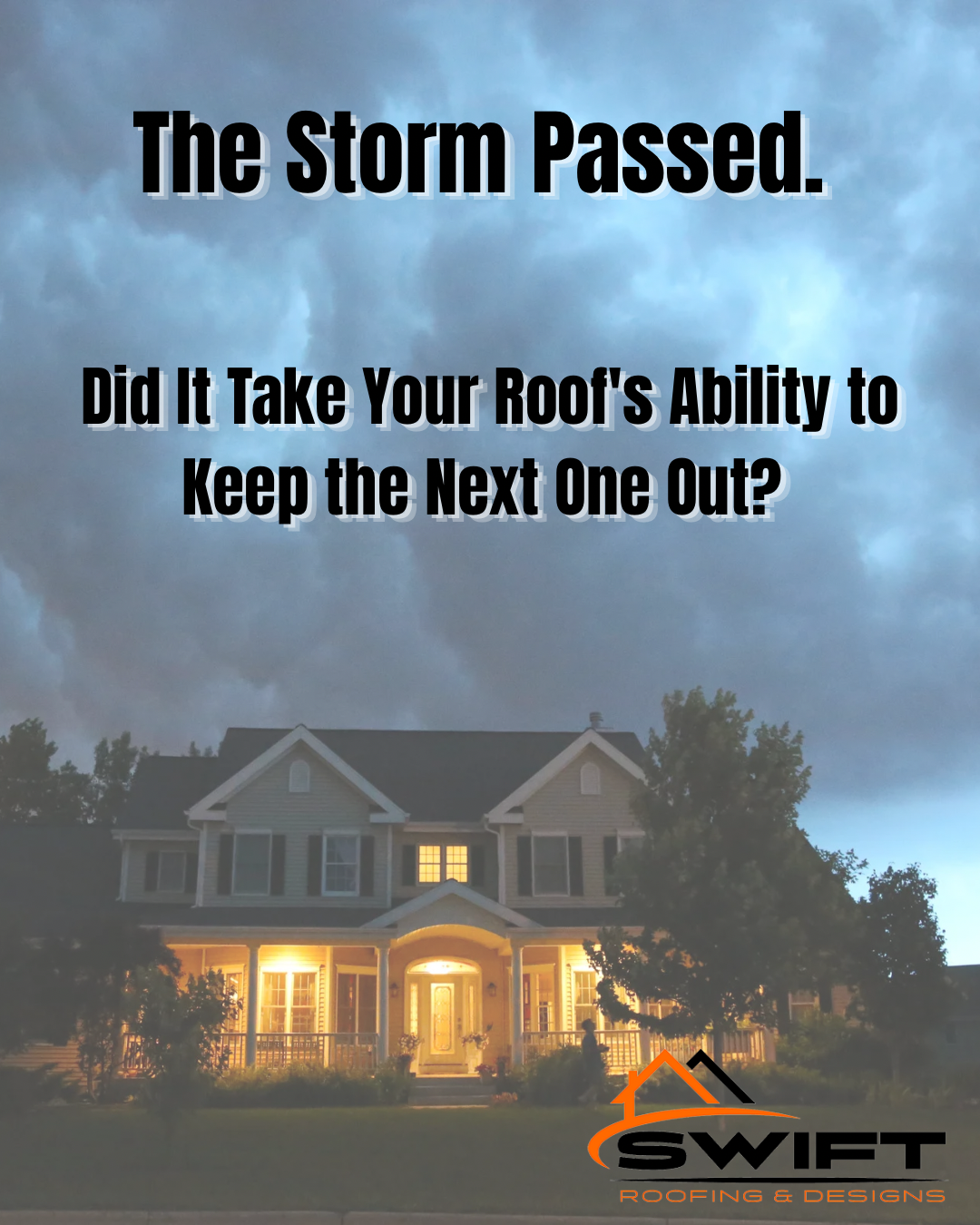
August in North Texas can be deceptive. A day may start hot, bright, and dry, then a late-summer thunderstorm develops quickly and pushes wind, hail, and heavy rain across Royse City, Rockwall, McKinney, Sachse, and nearby communities. By this point in the season, many roofs have already spent months under intense heat and UV exposure, and some have also taken damage from earlier spring storms. That means a new thunderstorm is not always starting with a perfectly healthy roof. It may be testing shingles, flashing, seals, and penetrations that are already under stress.


That is why roofing emergencies often seem to happen faster than homeowners expect. The storm ends, the roof still looks mostly intact from the driveway, and there is no obvious leak inside. Then another round of rain arrives and a stain appears near a vent, a section of shingles starts lifting, or water reaches the attic. What looked like a manageable storm event suddenly becomes an active roof problem.


For homeowners looking for emergency roof repair in Royse City, TX, the key question is not simply whether the storm damaged the roof. The real question is whether the roof still has a reliable barrier against the next round of North Texas weather.

Why August Storm Damage Can Escalate So Quickly in North Texas

A roofing system can handle a lot when all of its parts are sealed and working together. Problems begin when one storm weakens more than one component at the same time. Hail may bruise the shingle surface, wind may lift an edge or loosen flashing, and heavy rain may immediately test the opening that was just created.


The NOAA National Severe Storms Laboratory explains that damaging thunderstorm winds account for about half of severe weather reports in the lower 48 states. Those winds do not need to remove an entire section of roofing to create a problem. A partially lifted shingle, loosened ridge cap, or shifted flashing detail may be enough to let wind-driven rain move underneath the surface.


Hail adds another layer of risk. The Insurance Institute for Business & Home Safety notes that hail from strong thunderstorms can cause significant roof damage. On an August roof that has already spent weeks under high heat, impacts can expose weak areas that were not obvious before the storm.

Storm Condition What It Can Do to the Roof Why It Can Become Urgent
Hail Bruises shingles, damages granules, cracks materials Weakened areas may allow water intrusion later
High wind Lifts shingles, damages edges, loosens flashing Wind-driven rain can move beneath roofing materials
Heavy rain Tests valleys, seams, and penetrations Water may reach the attic or wall system
Flying debris Punctures roofing or damages vents Open damage can expose the roof deck
Repeated storms Adds stress to earlier damage A small weakness can become an active leak

The important point is that a roof emergency does not always begin with water pouring through the ceiling. Sometimes it begins when the roof loses part of its ability to keep the next storm out.

The Damage Homeowners Usually Cannot See From the Ground

One of the biggest reasons storm damage gets underestimated is that the most important problems are often not visible from the driveway. Missing shingles are easy to notice. Lifted edges, compromised seals, hail bruising, damaged pipe boots, loosened flashing, cracked vents, and small punctures are much easier to miss.


A roof can still look complete while water is finding a path beneath the surface. That is especially true around penetrations, valleys, flashing transitions, and areas where wind has lifted the shingle edge without tearing it completely away.


Common hidden storm damage includes:

  • Lifted or unsealed shingles
  • Hail bruising
  • Damaged pipe boots
  • Loose flashing
  • Exposed fasteners
  • Cracked vents
  • Damage around valleys
  • Small punctures from debris
  • Water moving beneath roofing materials


This is why checking only for missing shingles can create false confidence. A homeowner may see a roof that looks normal and assume the problem is minor, while the next rain is already testing a weak area that cannot be seen from the ground.


Swift Roofing's guide to the five roof repairs Royse City homeowners deal with year after year explains how flashing failures, leaks, storm damage, and other common problems can develop even when the roof does not look severely damaged at first glance.

When Storm Damage Becomes a Roofing Emergency

Not every damaged shingle requires an emergency response. The decision comes down to whether the roof is still protecting the structure and whether the damage can safely wait for a standard repair appointment.


An active leak is the clearest example. If water is entering the attic, dripping through the ceiling, or moving near electrical fixtures, the roof is no longer doing its primary job. The same is true when a storm exposes roof decking, tears away a large section of shingles, punctures the roof with a limb, or leaves a tree resting on the structure.


Signs that usually justify faster attention include:

  • Active water dripping from the ceiling
  • Water entering the attic
  • Exposed roof decking or underlayment
  • Large sections of missing or lifted shingles
  • A puncture from a limb or storm debris
  • Sagging ceiling material
  • Water near electrical fixtures
  • Major flashing damage
  • A tree or large branch resting on the roof


If water is entering near electrical components or the structure appears unstable, the first priority is safety. Stay away from the affected area and avoid climbing onto the roof yourself.


For active damage, Swift Roofing provides emergency roof repair in Royse City, TX to help secure damaged roofing and reduce further exposure.

Emergency Repair, Standard Repair, or Inspection?

Homeowners often know something happened during the storm but are not sure what kind of roofing service they need. A stain may appear after the rain stops. A few shingles may be on the lawn. Hail may have fallen in the neighborhood, but there is no leak inside.

The right next step depends on what the roof is doing now, not simply on how severe the storm sounded.

What You See After the Storm Most Practical Next Step
Active leak or exposed roofing Emergency evaluation and temporary protection may be needed
Missing or badly lifted shingles Prompt roof repair evaluation
Hail occurred but no leak is visible Professional storm inspection
Small stain with unknown source Inspection to identify the entry point
Older roof with widespread storm damage Compare repair and replacement options
No obvious damage but nearby properties were hit Inspection can confirm whether the roof was affected

A useful distinction is the difference between waiting and monitoring. Monitoring means you know what happened, understand the condition of the roof, and know that it is still watertight. Waiting without an inspection means you may not know whether the next thunderstorm is about to test an already weakened area.

Why the Next August Storm Can Be the Bigger Problem

The first storm may create the damage, but the next storm often reveals how serious it is. Once a shingle edge lifts or flashing loosens, water does not need a large opening to begin moving underneath the roofing system.


IBHS warns that compromised roofs can lead to a cascade of water-related damage. Its Thunderstorm Ready guidance recommends addressing roof vulnerabilities before severe weather.


A small roof opening can eventually affect:

  • Roof decking
  • Attic insulation
  • Rafters or trusses
  • Drywall
  • Wall cavities
  • Electrical components
  • Interior finishes


This is where homeowners sometimes underestimate the cost of waiting. The original roof repair may still be relatively contained, but once moisture reaches insulation, drywall, or interior finishes, the problem is no longer limited to the roof.


That is why fast evaluation matters even when the first storm has already passed.

What Homeowners Should Do Right After an August Thunderstorm

You do not need to climb onto the roof to make a useful first assessment. In fact, walking on a wet or storm-damaged roof can create an unnecessary safety risk and may disturb materials that are already weakened.


Start with the parts of the property you can inspect safely.

  1. Check the interior first. Look for ceiling stains, dripping water, damp attic areas, or unusual sounds.
  2. Walk around the property from the ground. Look for shingles, flashing pieces, branches, or roofing debris.
  3. Take photos before cleanup. Document visible conditions before temporary repairs change the appearance.
  4. Move belongings away from active leaks. Protect the interior when it can be done safely.
  5. Schedule an inspection when damage is suspected. A professional can check areas that cannot be evaluated from the driveway.
  6. Do not assume insurance should be the first call. Understand what happened to the roof before deciding whether a claim makes sense.


That last point is important. Swift Roofing explains the decision in more detail in Hail Damage Roof Claim vs. Out of Pocket: What Makes More Sense in North Texas. The right choice depends on the damage scope, deductible, policy type, and repair needs, not simply whether hail fell in the area.


In August, cumulative stress matters too. A new storm may not create every problem from scratch. It may expose a weak seal, damaged flashing, or compromised shingle that has been deteriorating under months of heat.

What About Hail Damage That Is Not Leaking Yet?

Hail damage deserves attention even when there is no active leak. A hail impact can bruise or weaken asphalt shingles without immediately creating a hole. The roof may remain watertight for the moment while the affected area becomes more vulnerable to additional wind, UV exposure, and future rain.


That does not mean every hailstorm requires a roof replacement. It means the roof should be evaluated based on what the storm actually did.


A professional inspection can help determine whether the damage is:

  • Cosmetic
  • Localized and repairable
  • Widespread enough to affect the roof system
  • Related to flashing, vents, or penetrations
  • Significant enough to justify insurance documentation


Swift Roofing's emergency hail damage roof repair service focuses on documenting storm impacts, securing active damage when necessary, and determining whether repair, replacement, or another practical solution makes sense.

Repair or Replace After a Severe Storm?

A roofing emergency does not automatically mean the entire roof needs replacement. A localized failure can still be a repair situation, especially when the surrounding roof is in good condition and has useful service life remaining.


Repair may make sense when the damage is isolated, the surrounding shingles remain sound, flashing or a penetration is the main failure point, and there is no widespread loss of roof integrity.


Replacement becomes more likely when storm damage is spread across multiple sections, the roof was already nearing the end of its useful life, repairs would only postpone repeated failures, or the roof deck and larger system have been significantly affected.

The decision should come from the condition of the roof, not from the size of the storm alone.


Swift Roofing also explains several costly homeowner mistakes in 4 Roof Repair Mistakes That Cost Texas Homeowners More in the Long Run, including why delaying known problems can make the eventual repair more complicated.

Why Local August Storm Experience Matters

North Texas thunderstorms do not affect every nearby city the same way. A storm moving through Royse City may produce strong wind, while Rockwall sees larger hail. McKinney may get a separate storm cell later in the day, while Sachse deals with wind-driven debris and heavy rain.


That variability matters because the roof itself should drive the recommendation, not the weather alert by itself.


A local roofing inspection should answer practical questions:

  • What was actually damaged?
  • Is the roof still watertight?
  • Is temporary protection needed?
  • Can the damage be repaired?
  • Does the roof need replacement?
  • Is documentation needed before contacting insurance?
  • Can the issue safely wait?


Those answers are more useful than simply knowing a severe storm passed through the area.

Frequently Asked Questions

  • What qualifies as a roofing emergency after a storm?

    Active leaks, exposed decking, major shingle loss, punctures from debris, structural damage, or water entering near electrical components can all justify urgent attention. A professional inspection can determine whether temporary protection or immediate repair is needed.

  • Should I call insurance before calling a roofer?

    Not necessarily. It can be helpful to understand the roof damage first. An inspection can document what happened and help you determine whether the damage scope makes an insurance claim appropriate.

  • Can hail damage exist without a roof leak?

    Yes. Hail can bruise or weaken roofing materials without creating an immediate leak. The damage may become more noticeable after additional wind, rain, heat, or normal aging.

  • What should I do if my roof starts leaking during a storm?

    Stay away from areas where the ceiling is sagging or where water is near electrical fixtures. Move belongings when it is safe to do so, contain interior water if possible, and contact a roofing professional for emergency evaluation once conditions allow safe access.

Get a Clear Answer Before the Next August Storm Arrives

A North Texas thunderstorm can damage a roof in minutes, but the larger problem often appears later when another round of rain finds the weak point. In August, when roofs are already dealing with months of heat and earlier storm activity, that window between minor damage and an active leak can be shorter than homeowners expect.


If you suspect storm damage, Swift Roofing can evaluate the roof, explain what was found, and help determine whether you need emergency protection, a standard repair, or a broader roofing solution.


Emergency Roof Repair

Roof Repair

Contact Swift Roofing


Request a Roofing Quote

Blog Form


More Posts Like This:

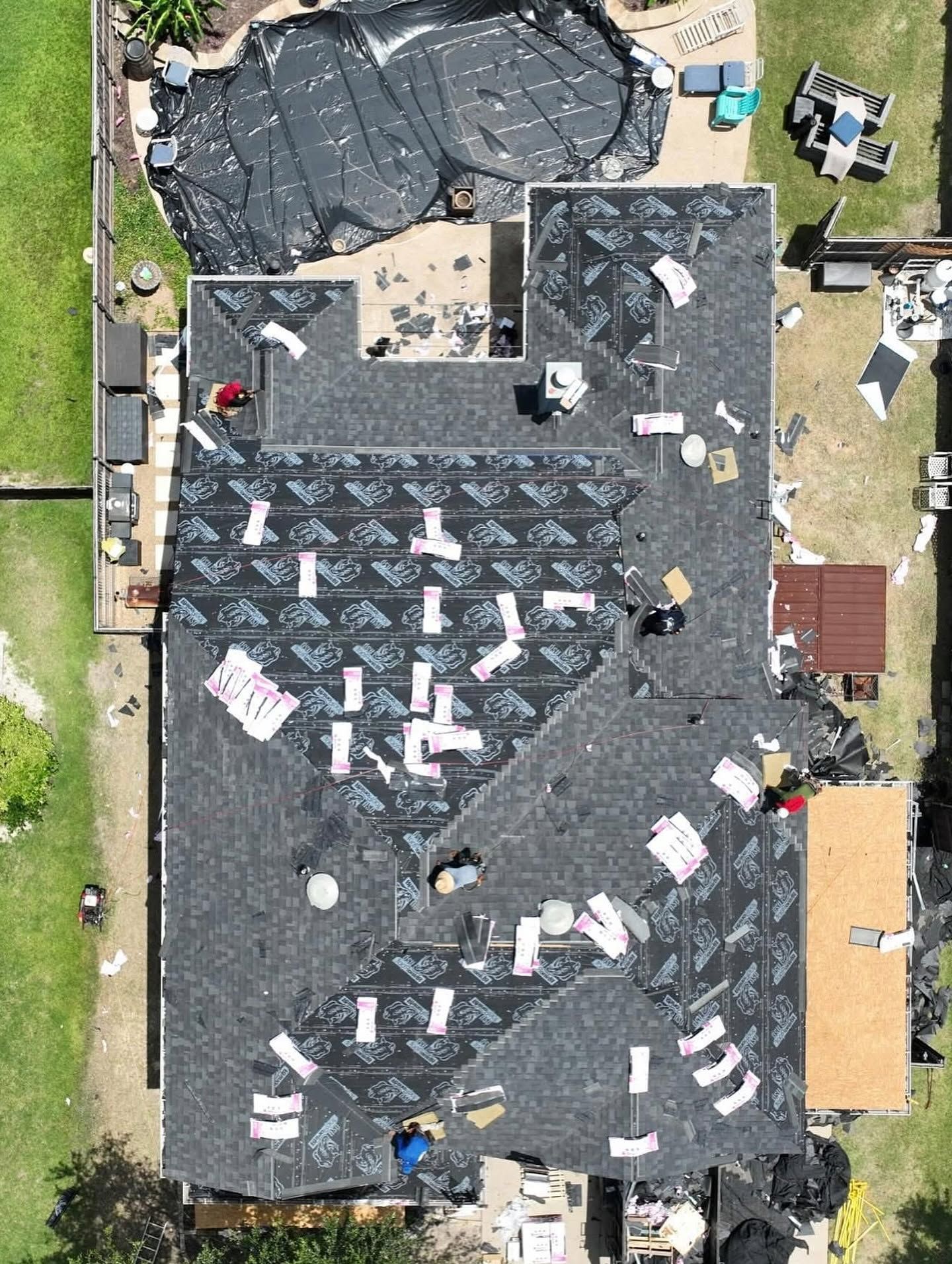
Aerial view of a roof under repair with black tarps, workers, and scattered equipment around the house.
August 10, 2026
Learn when to file a hail damage roof claim or pay out of pocket based on your deductible, policy type, and damage scope in North Texas.
View from a shingled roof over a suburban neighborhood and leafless trees under a cloudy sky
August 4, 2026
A few roof repair choices quietly cost North Texas homeowners far more later. Swift Roofing breaks down 4 common mistakes and how to avoid the costly ones.
Aerial view of a suburban house with a dark roof, brick garage, and wide concrete driveway surrounded by green lawn
July 29, 2026
TPO and PVC look nearly identical on a flat roof but perform differently in North Texas heat and hail. Swift Roofing breaks down which fits your building.
Show More
Black outline of a house with a slanted roof and chimney.

Choose Swift Roofing & Designs for Top Quality Roofing

Need a reliable roofer? We've helped countless clients protect their homes while saving time and money, and we’re ready to help you next.

Aerial view of a roof under repair with black tarps, workers, and scattered equipment around the house.
August 10, 2026
Learn when to file a hail damage roof claim or pay out of pocket based on your deductible, policy type, and damage scope in North Texas.
View from a shingled roof over a suburban neighborhood and leafless trees under a cloudy sky
August 4, 2026
A few roof repair choices quietly cost North Texas homeowners far more later. Swift Roofing breaks down 4 common mistakes and how to avoid the costly ones.
Aerial view of a suburban house with a dark roof, brick garage, and wide concrete driveway surrounded by green lawn
July 29, 2026
TPO and PVC look nearly identical on a flat roof but perform differently in North Texas heat and hail. Swift Roofing breaks down which fits your building.
Aerial view of roof damage with workers repairing shingles in a suburban neighborhood near a pond
July 21, 2026
Most homeowners in Royse City, Rockwall, and the surrounding North Texas communities start thinking about roofing materials after a storm. A hail event rolls through, an adjuster shows up, and suddenly there is a decision to make that nobody fully prepared for. Repair with the same shingles that were already there? Or is this the moment to switch to metal?  It is a reasonable question. And it deserves a straight answer, not a sales pitch toward whichever option costs more. Swift Roofing works with homeowners across Rockwall County, Hunt County, and the wider North Texas area every week. We see both materials up close after storms, during inspections, and after they have been on a roof for twenty years in Texas heat. This is the honest comparison he gives homeowners before they decide.
Aerial view of a large gray-roofed mansion surrounded by green lawns and landscaped gardens.
July 14, 2026
A visual inspection sees what is on the surface. An infrared inspection sees what is hiding underneath. Swift Roofing explains the difference, when each method applies, and what North Texas homeowners need to know before scheduling an inspection.
Aerial view of a gray-roofed suburban house with a driveway and surrounding lawn.
July 9, 2026
Choosing the wrong commercial roofing material in North Texas costs property owners thousands in premature repairs. Swift Roofing breaks down the 6 most durable options, what each one costs, and which one is right for your building.
Aerial view of a brick house with a gray shingle roof and surrounding greenery.
June 30, 2026
Not every aging roof in Royse City TX needs full replacement. Swift Roofing & Designs breaks down when restoration extends your roof's life and when replacement is the only answer.
Aerial view of a large gray-shingled house with multiple gables and a beige exterior.
June 23, 2026
From hail damage to failed flashing, Royse City TX homeowners face the same five roof repairs year after year. Swift Roofing & Designs breaks down each one, what causes it, and how to catch it before it becomes a replacement.
Aerial view of a house with a dark roof surrounded by trees and a green yard
June 16, 2026
Spring debris left in your gutters becomes a liability when Royse City summer storms arrive. Swift Roofing & Designs explains what is at stake and what to do about it before the rain season peaks.
Aerial view of a dark-roofed house with a driveway, patio furniture, and a parked car beside a road
June 9, 2026
Learn the warning signs of heat damage on Royse City roofs, from curling shingles to granule loss. Protect your home with expert roofing insights.
Show More